- 4
- March
The latest Cybersecurity reports in 2026 reveal alarming numbers — AI-powered cyberattacks increased by 89% compared to the previous year, while Breakout Time (the time hackers need to breach a system and access data) dropped to just 29 minutes — a 65% decrease from the prior year. Most critically, identity-based breaches now account for 2 in 3 of all data breaches — meaning hackers no longer need malware to infiltrate systems; they use stolen credentials to "walk through the front door" instead.
What Is an AI Cyberattack?
AI Cyberattack refers to cyberattacks that use Artificial Intelligence as a tool for planning, executing, and evading defense systems, making attacks faster, more precise, and much harder to detect than ever before.
What has changed in 2026:
Hackers use AI to create phishing emails indistinguishable from real ones, use Deepfake to clone executive voices, use AI to scan system vulnerabilities thousands of times faster than humans, and create malware that adapts to evade antivirus in real-time.
Key Numbers to Know in 2026
| Indicator | Figure | Meaning |
|---|---|---|
| AI Cyberattack | Up 89% | AI-powered attacks nearly doubled |
| Breakout Time | 29 minutes | Hackers breach systems in 29 minutes (down 65%) |
| Cloud Attack | Up 37% | Cloud system attacks continue to increase |
| Malware-free Attack | 82% | 82% of Cloud attacks don't use malware (using Identity instead) |
| Identity-based Breach | 66% | 2 in 3 of all data breaches are caused by stolen identity |
5 Most Common AI Attack Methods
1. AI Phishing — Deceptive Emails That Are Indistinguishable
AI can analyze a target's email writing patterns and create phishing emails that mimic their tone and style with remarkable accuracy — including using Social Media data to craft content matching the target's current circumstances.
2. Deepfake Voice/Video — Faking Executive Voices and Videos
Hackers use AI to create Deepfake voice or video of CEOs/CFOs and call to order money transfers or change recipient accounts — real cases have already occurred with damages reaching tens of millions of baht.
3. AI Vulnerability Scanning — Finding Flaws Faster Than Humans
AI can scan an organization's entire system for vulnerabilities in just minutes — compared to weeks for humans. Tools like CyberStrikeAI have been found attacking Fortinet FortiGate systems worldwide.
4. Adaptive Malware — Malware That Evades Antivirus
Modern malware uses AI to modify its own code in real-time to evade signature-based antivirus detection — making traditional security software no longer sufficient.
5. Automated Credential Stuffing — AI Testing Leaked Passwords
AI takes leaked passwords from data breaches and tests them across multiple systems simultaneously in an intelligent manner — adjusting password patterns based on user behavior (such as adding year numbers or changing capitalization).

Why Are Identity-based Attacks More Dangerous Than Malware?
Identity-based Attack is an attack where hackers use real credentials (stolen username + password) to log into systems — the system sees them as a "normal user" so it doesn't trigger alerts, isn't blocked by the firewall, and leaves no malware to detect.
| Comparison | Malware Attack | Identity-based Attack |
|---|---|---|
| Access Method | Installs malicious software | Uses real stolen username/password |
| Can Antivirus Detect It? | Detectable (mostly) | Undetectable |
| Can Firewall Block It? | Partially blockable | Passes through as a normal login |
| Protected by | Antivirus + Firewall | MFA + Zero Trust + IAM |
ERP Systems and AI Cyberattack Risks
ERP systems are primary targets for hackers because they store the organization's most critical data:
- Financial data — revenue and expenses, balance sheets, bank accounts
- Personnel data — salaries, national ID numbers, bank account numbers
- Customer and partner data — addresses, tax IDs, order volumes
- Inventory and cost data — actual unit costs, product quantities, supplier lists
If hackers gain access to an ERP system — the damage is many times worse than attacks on other systems, with additional risk of violating the Personal Data Protection Act (PDPA). Read more about SQL Injection prevention and Two-Factor Authentication (2FA).
How to Protect Your Organization from AI Cyberattacks
| Measure | Details | |
|---|---|---|
| ☐ | Enable MFA on All Systems | Passwords alone aren't enough — at least 2-step identity verification is required |
| ☐ | Train Employees on AI Phishing | AI-generated emails look extremely real — employees must learn to spot them |
| ☐ | Adopt Zero Trust Architecture | Trust no one automatically — verify every access attempt |
| ☐ | Review Identity & Access Management (IAM) | Limit access by role and revoke access for departed employees |
| ☐ | 3-2-1 Data Backup | 3 copies, 2 storage media, 1 copy offsite |
| ☐ | Use SIEM/SOC to Detect Anomalous Behavior | Detect unusual logins, such as logins from unexpected countries |
| ☐ | Regularly Patch All Systems | Unpatched vulnerabilities are open doors for hackers |
How Saeree ERP Protects Against Cyber Threats
Saeree ERP prioritizes organizational data security from the architectural design:
| Feature | Details |
|---|---|
| ORM (Object-Relational Mapping) | Prevents SQL Injection at the framework level |
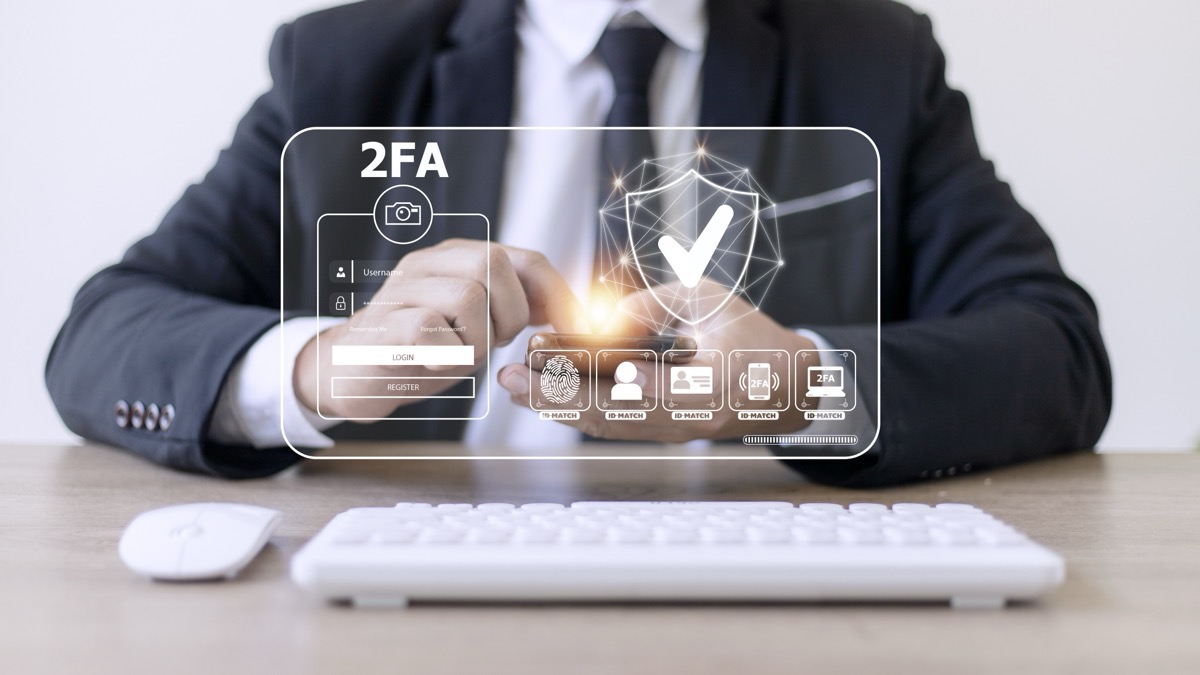
| Two-Factor Authentication (2FA) | Supports Two-Factor Authentication |
| Audit Log | Logs every action — who did what, when, and from which IP |
| Role-based Access Control | Role-based access control following the Least Privilege principle |
| Encrypted Communication | All data is encrypted in transit (HTTPS/TLS) |
AI Cyberattack is no longer a thing of the future — it is already happening. Organizations that don't prepare today may become targets tomorrow.
- Saeree ERP Development Team
References
- CrowdStrike Global Threat Report 2025
- IBM Cost of a Data Breach Report
- World Economic Forum — Cyber Threats 2026
- Cybersecurity Trends March 2026
If your organization is looking for an ERP system that prioritizes security from the architectural design, you can schedule a Demo or contact our consulting team for further discussion.