- 24
- April
What is Cloud ERP?
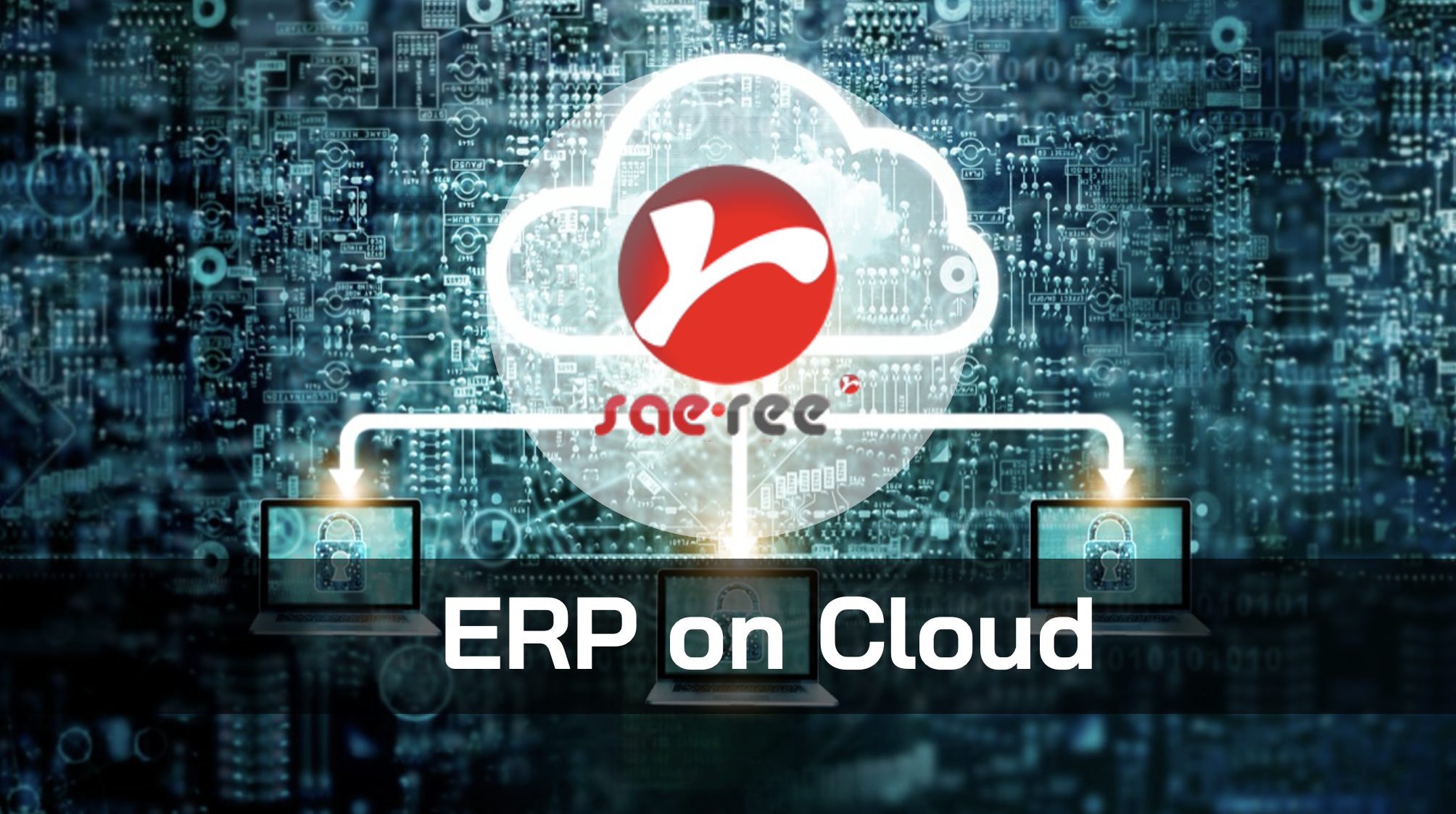
Cloud ERP (or ERP On Cloud) is the deployment model in which the ERP system runs on a cloud provider's data center — such as AWS, Azure, Google Cloud, or a local Thai cloud. The organization accesses the system over the Internet without having to invest in its own servers, and pays a monthly or yearly subscription fee.
Quick Answer
Cloud = "ERP you rent" — the vendor handles servers, backups, security, and upgrades. Your team just logs in through a web browser and pays monthly per user. No big upfront investment.
Technical Definition
The term "Cloud" is a metaphor for a large data center connected via the Internet. Users do not need to know where the servers are — only that they can access the system through a URL. When the provider manages both the software and the infrastructure, it is called SaaS (Software as a Service).
3 Cloud ERP Service Models
| Model | Description | Examples |
|---|---|---|
| SaaS (Software as a Service) | Vendor manages everything; users access via URL; paid monthly per user | SAP S/4HANA Cloud, Oracle NetSuite, Microsoft Dynamics 365 |
| IaaS (Infrastructure as a Service) | Rent servers/storage on the cloud; install the ERP yourself | AWS EC2, Azure VM, GCP Compute Engine |
| PaaS (Platform as a Service) | Cloud provides OS/Database; you develop and deploy ERP on top | Heroku, AWS Elastic Beanstalk, Azure App Service |
Most Cloud ERP deployments used by organizations are SaaS — no infrastructure management required at all.
Components of Cloud ERP (SaaS)
- Provider's data center — all hardware is hosted by the provider (possibly in a local or overseas region)
- Multi-tenant software — a single ERP serves multiple organizations (with data isolated per customer)
- Internet connection — the sole channel for user access
- Web browser / Mobile app — the client side users interact with
- Subscription plan — the pricing model, typically per-user plus modules used
5 Key Characteristics of Cloud ERP
- No hardware investment — servers, storage, and network all live at the provider
- Quick to start — no installation, no waiting for hardware delivery; open an account and you are live
- Accessible from anywhere — via the Internet, from computers, phones, or tablets
- Vendor handles updates and patches — your in-house IT team does not maintain security patches
- Predictable monthly cost — OpEx model, no big CapEx, but continuous payments
Limitations to Know
- 100% Internet dependency — if the Internet is down, the system is unusable (even inside the office)
- Data lives outside the organization — requires trust in the provider's security and data sovereignty posture
- Long-term cumulative cost — 5-year monthly subscriptions may exceed a one-time license purchase
- Limited customization — SaaS has narrow customization boundaries; you often adapt processes to the system, not the other way around
- Data egress fees — some providers charge for data retrieval (e.g., AWS at $0.09/GB)
Organizations That Fit Cloud ERP
- SMEs / Start-ups — not yet ready to invest in servers; need to be up and running quickly
- Multi-branch organizations — every branch uses the same system over the Internet
- Businesses with a remote workforce — WFH, field, or overseas employees can access easily
- Organizations with limited IT teams — avoid hiring staff for server maintenance
- Seasonal businesses — need to scale users up and down as the season demands
Related Articles from Knowledge Center
Looking for a decision guide between On-Premise, Cloud, and Hybrid? Read the full article: On-Premise vs Cloud — Why Choose Just One Side?