
- 25
- March
The year 2026 marks a pivotal turning point for Thailand's public sector management. The "Digital by Default" policy means that all government services must be digital as the default option, not just an alternative. This affects every organization — both public and private sectors doing business with the government — requiring urgent adaptation. In particular, ERP systems, the backbone of organizational management, must be ready. This article summarizes the 7 things your ERP must prepare for the Digital Government era.
Quick Summary: Thailand's Digital Government 2026 policy mandates digital connectivity for all agencies. An ERP that does not support API, e-Tax, or GFMIS will immediately become an organizational bottleneck.
What Is Digital Government? Why Is 2026 So Important?
Digital Government refers to the transformation of public sector operations to primarily use digital technology — from citizen services and budget management to procurement processes.
In 2026, Thailand has several significant developments:
| Policy / Development | Impact on Organizations |
|---|---|
| Digital by Default | All government services must be digital by default — paper becomes the secondary option |
| Government Super App + Single Sign-On | Business registration, construction permits, tax filing — all through a single app |
| Open Government Data | Transparent budgets and open data accessible for public scrutiny |
| Full-Scale Digital Banking | Launching in Thailand in 2026 — with strict cybersecurity and risk governance requirements |
| Thailand's Digital Economy: 5.6 Trillion Baht | Growing twice as fast as overall GDP — organizations that fail to adapt will be left behind |
All of this means that your organization's ERP system must be ready to connect with the government's digital ecosystem — not just function internally. For a broader perspective, read our article on Smart Government and Modern ERP, which explains the Smart Government concept in detail.
Is your agency still running this on Excel and paper?
Saeree ERP is built around Thai public-sector rules — 3 fund sources · reserve/commit/accrue · fixed assets · procurement · memo-style approvals
7 Things Your ERP System Must Be Ready For
1. API Integration — Connect with Any System
In the Digital Government era, no system can operate in isolation anymore. Your ERP must have RESTful APIs or Web Services ready to connect with:
- Government Super App
- e-GP system (government procurement)
- National Single Window for import/export
- Digital banking systems
Key Point: An ERP without APIs = redundant data entry = high error rates = missed deadlines. This is why API must be a standard feature, not an add-on.
2. e-Tax — Electronic Tax Filing
Thailand's Revenue Department has been pushing e-Tax Invoice and e-Receipt for years, but 2026 will see even stronger enforcement. Your ERP must be able to:
- Issue e-Tax Invoices compliant with Revenue Department standards
- Submit tax data automatically via API
- Store electronic documents per the Electronic Transactions Act
- Support Digital Signatures for document certification
3. e-Document — End-to-End Electronic Documents
The Digital by Default policy means paper documents will become a secondary option. Your ERP must support:
| Document Type | What ERP Must Do |
|---|---|
| Purchase Order (PO) | Create, send, and approve entirely through electronic systems |
| Invoice | Issue e-Invoices with Digital Signatures |
| Receipt | e-Receipts verifiable via QR Code |
| Procurement Contracts | e-Contracts with complete Audit Trail |
| Budget Reports | Export in Open Data formats (CSV, JSON, XML) |
4. GFMIS Connectivity — Government Fiscal Management Integration
For government agencies, GFMIS (Government Fiscal Management Information System) is the central system that all agencies must report to. Your ERP must be able to:
- Submit budget disbursement data to GFMIS automatically
- Reconcile between ERP and GFMIS in real-time
- Support government-standard budget codes and chart of accounts
- Generate reports in formats mandated by the Bureau of the Budget
Organizations that must report to GFMIS should also read Cashless Government — When the Government Goes Cashless to understand the broader financial transformation in the public sector.
Real-World Example
A government agency used to spend 3 days per month manually keying data from their ERP into GFMIS. After switching to an ERP with automatic GFMIS connectivity, this was reduced to 2 hours, and errors decreased by 95%.
5. Digital Payment — Support Digital Payment Methods
The launch of full-scale digital banking in 2026 means ERP must support:
- PromptPay Business: QR Code-based payments for businesses
- e-Payment Gateway: Connect with online payment channels
- Bank Statement Reconciliation: Automatic reconciliation with bank statements
- Digital Wallet Integration: Support transactions via digital wallets
6. Security Standards — International-Grade Security
As more data flows through digital systems, security becomes not just nice-to-have but a must-have. Your ERP must include:
| Security Standard | Why It's Required |
|---|---|
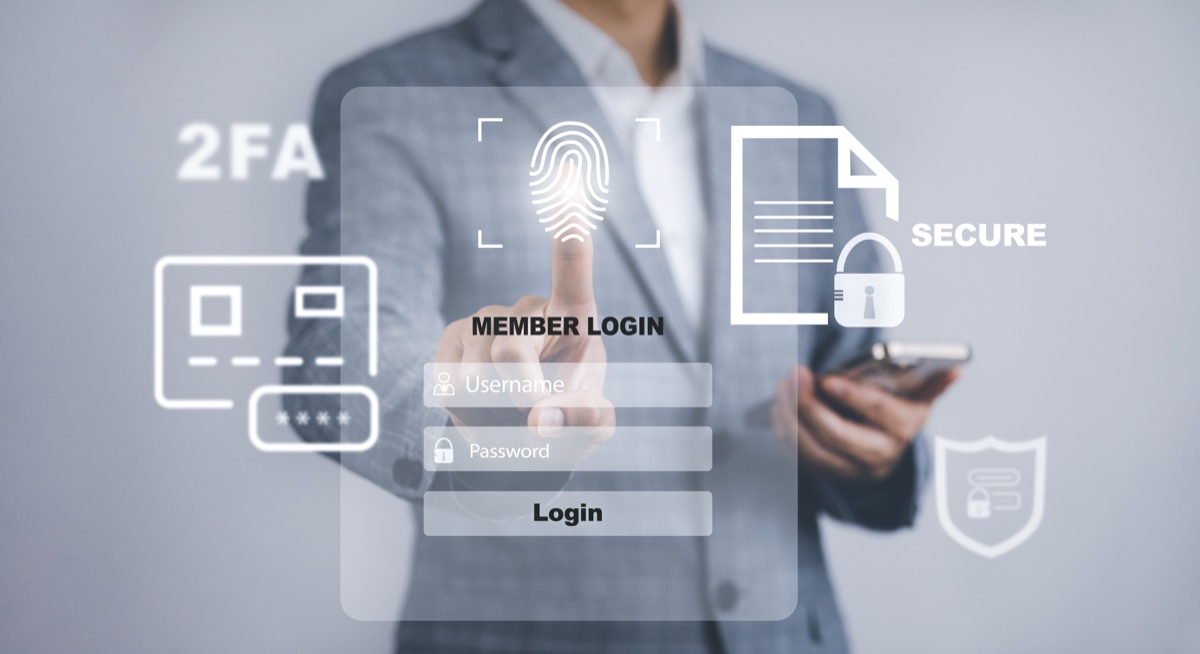
| Two-Factor Authentication (2FA) | Prevents unauthorized access — mandated by digital banking regulations |
| Data Encryption (AES-256) | Data must be encrypted both at rest and in transit |
| Role-Based Access Control (RBAC) | Access rights by role — reduces Insider Threat risk |
| Audit Trail | Records every action in the system — full traceability for every transaction |
| PDPA Compliance | Supports Thailand's Personal Data Protection Act — consent management and data subject rights |
7. Open Data Format — Export Data in Open Formats
The Open Government Data policy requires agencies to disclose data in machine-readable formats. Your ERP must:
- Export data in CSV, JSON, and XML formats
- Support Data Catalog standards (DCAT)
- Provide APIs for real-time data retrieval
- Clearly separate public data from confidential data
Thailand's Digital Economy — Numbers That Show It's Time to Change
Key Statistics:
- Thailand's digital economy is worth 5.6 trillion baht — growing twice as fast as overall GDP
- PromptPay transactions in 2025 exceeded 16 billion transactions
- Over 300 government agencies must report to GFMIS
- Digital banks require minimum registered capital of 5 billion baht — reflecting strict regulatory requirements
Use Cases — Who Needs to Prepare?
| Organization Type | What to Prepare | Urgency |
|---|---|---|
| Government Agencies | GFMIS connectivity, e-Document, Open Data | Very High |
| State Enterprises | API integration, e-Tax, Digital Payment | Very High |
| Private Sector (Government Contractors) | e-GP connectivity, e-Tax Invoice, Digital Signature | High |
| General Businesses | e-Tax, Digital Payment, Security Standards | Medium |
Organizations planning to start implementing ERP should incorporate these 7 criteria into their requirements from the beginning — not add them later.


Saeree ERP — Ready for Digital Government
Saeree ERP is designed for Thai organizations and fully supports Digital Government requirements:
| Requirement | How Saeree ERP Delivers |
|---|---|
| API Integration | Standard RESTful APIs ready for immediate external system connectivity |
| e-Tax | Supports e-Tax Invoice / e-Receipt per Revenue Department standards |
| e-Document | Digital Workflow from creation, approval, to document storage — no paper needed |
| GFMIS | GFMIS connectivity for government agencies — automatic disbursement data submission |
| Digital Payment | Supports PromptPay, e-Payment, and Bank Reconciliation |
| Security | 2FA, RBAC, Audit Trail, Data Encryption — meets international standards |
| Open Data | Export data in CSV, JSON, XML — ready for policy-mandated disclosure |
Digital Government is not just a public sector matter — it concerns every organization doing business in Thailand. An ERP system that is not ready for this transformation will become a "bottleneck" causing missed business opportunities.
- Saeree ERP Team
Summary — ERP Readiness Checklist for Digital Government 2026
| # | Checklist Item | Your ERP Status |
|---|---|---|
| 1 | RESTful APIs for external system connectivity | ☐ Ready / ☐ Not Ready |
| 2 | e-Tax Invoice / e-Receipt support | ☐ Ready / ☐ Not Ready |
| 3 | Full Digital Workflow for all documents | ☐ Ready / ☐ Not Ready |
| 4 | GFMIS connectivity (for government agencies) | ☐ Ready / ☐ Not Ready |
| 5 | Digital Payment support (PromptPay, e-Payment) | ☐ Ready / ☐ Not Ready |
| 6 | 2FA, RBAC, Audit Trail, Encryption | ☐ Ready / ☐ Not Ready |
| 7 | Open Data export (CSV/JSON/XML) | ☐ Ready / ☐ Not Ready |
If your organization is not ready on any of these points, it is time to plan your ERP system upgrade. You can schedule a demo or contact the Saeree ERP consulting team to assess your organization's readiness.